

Running a multi-site business comes with unique communication challenges. How do you keep your teams connected across different locations? What happens when you need to add new offices or scale down? And let's be honest: who wants to deal with expensive phone bills and outdated hardware?
If you're wrestling with these questions, you're not alone. The good news? There's a clear winner in the battle between hosted VoIP and traditional phone systems for multi-site operations.
Why Multi-Site Businesses Need Something Different
Managing communication across multiple locations isn't just about making phone calls anymore. Your teams need to collaborate, share files, jump on video calls, and stay connected whether they're in the main office or working remotely. Traditional phone systems simply weren't built for this kind of flexibility.
That's where hosted VoIP for multi-site business operations changes the game completely.
The Hosted VoIP Advantage: Built for Modern Multi-Site Operations
Cost Savings That Actually Matter
Let's talk numbers. Traditional phone systems hit your budget hard with expensive hardware installations at each location, costly wiring, and ongoing maintenance fees. Hosted VoIP flips this model entirely.
With hosted VoIP, you're looking at significantly lower monthly costs across all locations. No more expensive long-distance charges between offices. No hardware to buy, install, or maintain. Your provider handles everything from their cloud infrastructure, which means your IT team can focus on what actually grows your business.
Scalability That Grows With Your Business
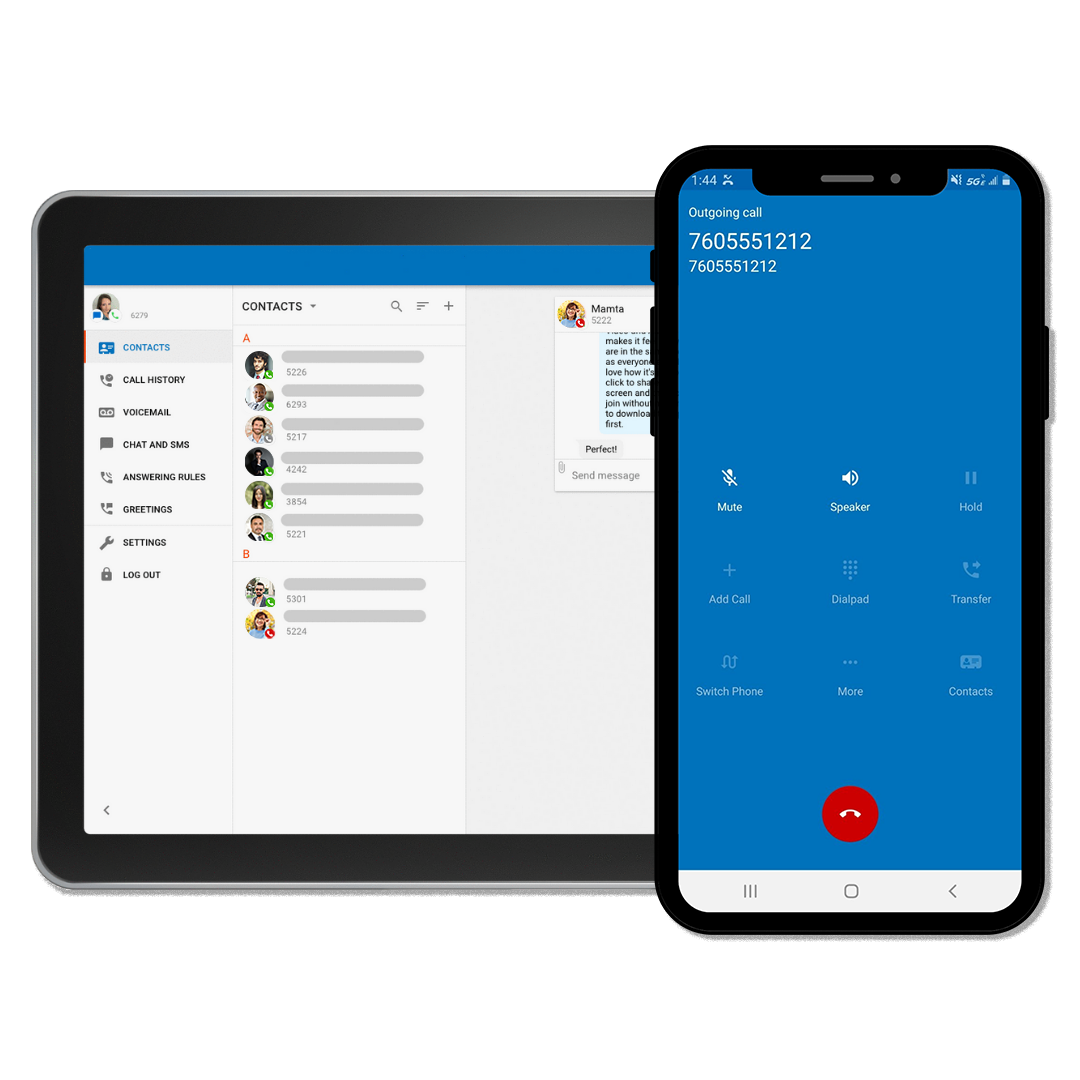
Here's where hosted VoIP really shines for multi-site operations. Need to add 20 new employees to your Denver office next month? With traditional systems, you're looking at weeks of installation, new hardware, and significant costs. With hosted VoIP? You can add those lines in minutes through your online portal.
The same goes for scaling down or opening new locations. Your communication system adapts instantly without the infrastructure headaches.
Unified Communications Across All Locations
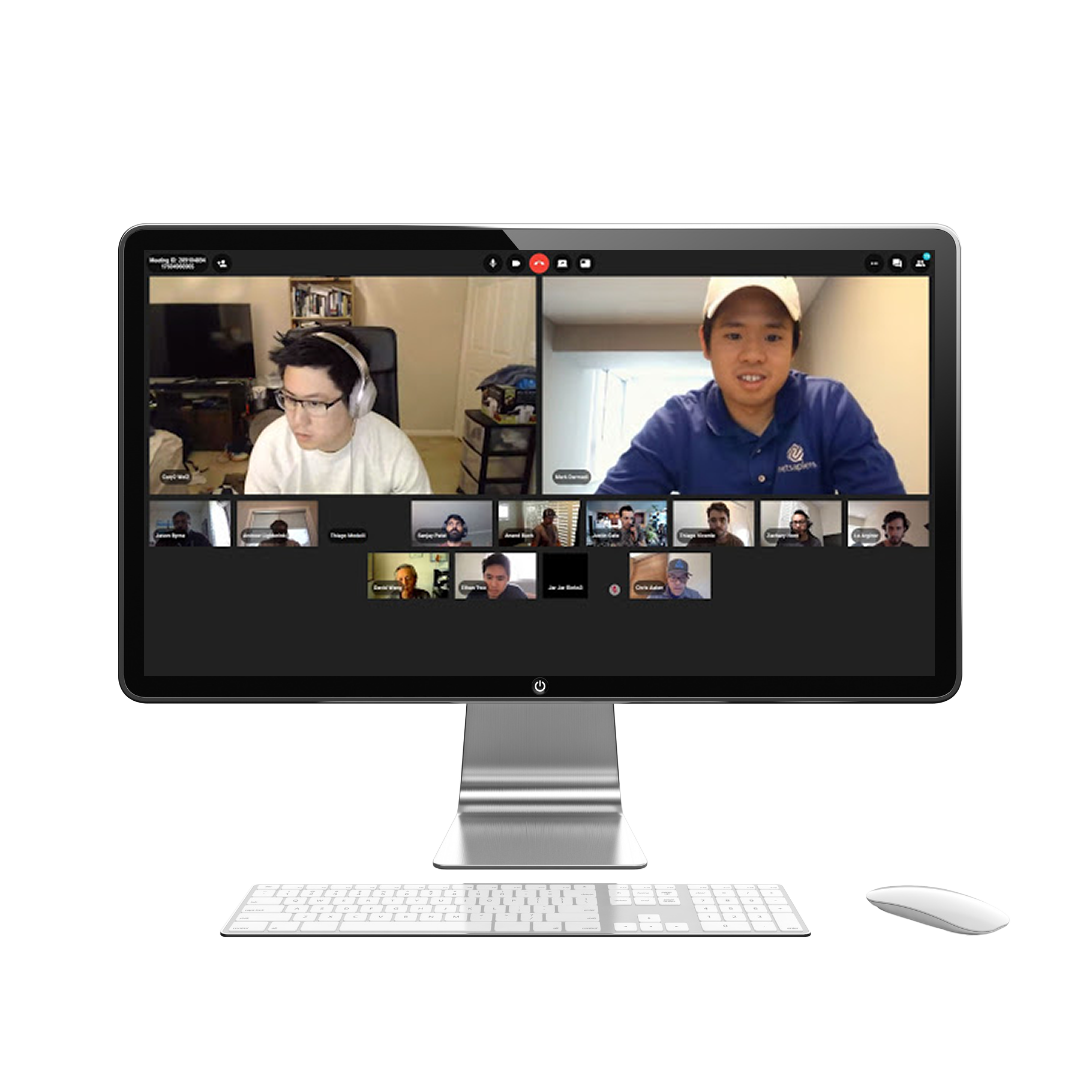
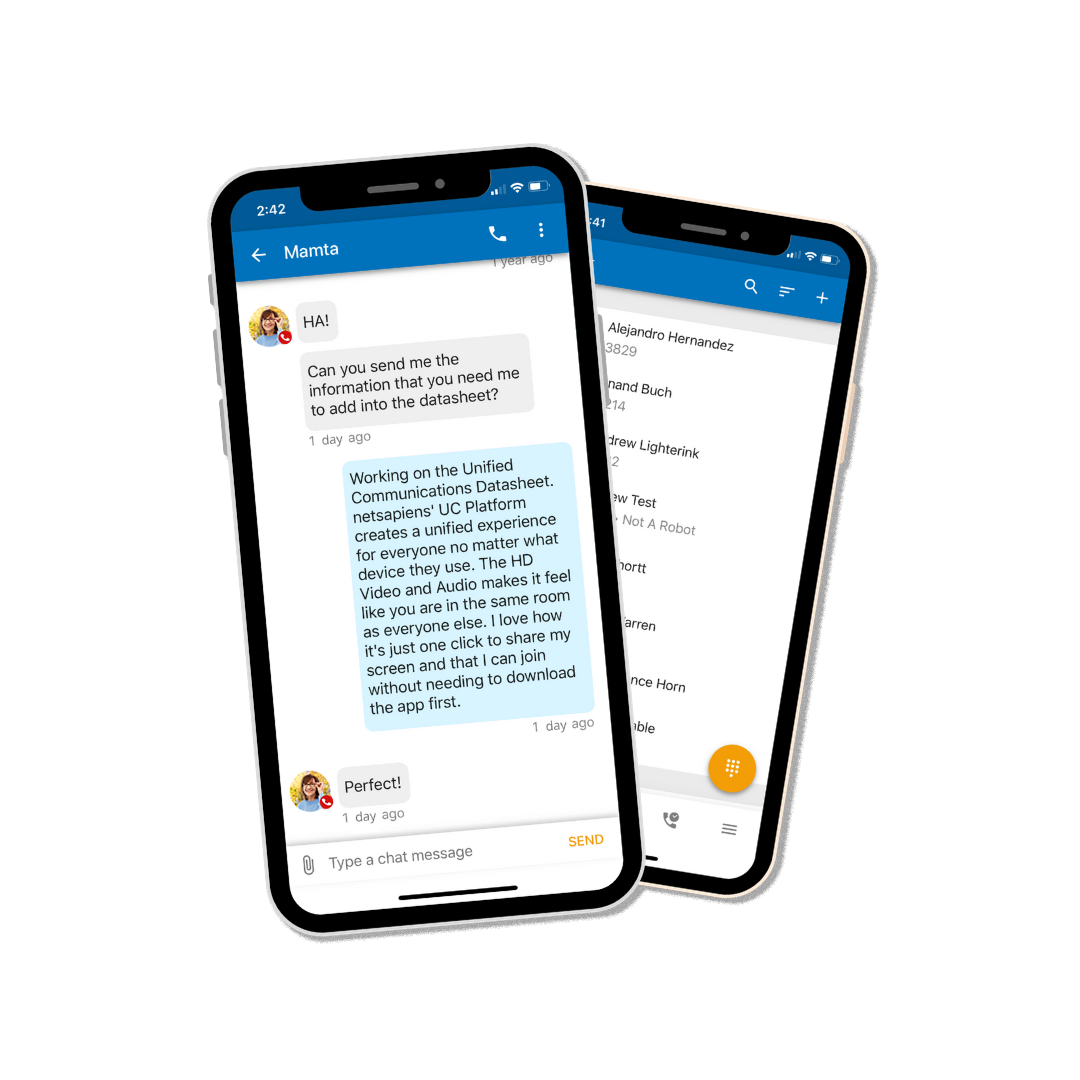
Hosted VoIP with unified communications brings all your teams together on one platform. Your employees can seamlessly switch between voice calls, video meetings, instant messaging, and file sharing: all from the same interface.
Picture this: Your sales manager in Atlanta gets a lead, instantly messages the technical team in Phoenix, jumps on a video call with the prospect, and shares screens to demonstrate your product. All without switching between different apps or systems.
Remote Work Support That Actually Works
The pandemic taught us that flexibility isn't just nice to have: it's essential. Hosted VoIP for remote work means your employees can work from anywhere with an internet connection and maintain the same professional communication capabilities as if they were in the office.
Your receptionist can answer the main office line from home. Your project manager can join client calls from a coffee shop. Your sales team can make calls from their mobile devices using your business number. This level of flexibility is impossible with traditional phone systems.
Traditional Phone Systems: The Old Guard's Limitations
Don't get me wrong: traditional phone systems served businesses well for decades. They're reliable for basic calling, and they work without internet connectivity. But for multi-site businesses in 2025, these advantages come with significant drawbacks.
Hardware Headaches Multiply Across Locations
Every office needs its own expensive hardware installation. When something breaks (and it will), you're dealing with repair costs, replacement parts that might be obsolete, and downtime that affects productivity. Multiply this by however many locations you have, and you've got a maintenance nightmare.
Limited Features, Higher Costs
Want video conferencing? That's an expensive add-on. Need call analytics to understand your communication patterns? Another costly upgrade. Advanced features that come standard with hosted VoIP often cost thousands of dollars extra with traditional systems.
Scaling Struggles
Opening a new office means starting from scratch with hardware installation, wiring, and setup. It's time-consuming, expensive, and disruptive. The same goes for downsizing: you're stuck with hardware you can't easily repurpose.
Side-by-Side: The Numbers Don't Lie
| What Matters Most | Hosted VoIP | Traditional Systems |
|---|---|---|
| Setup Time for New Locations | Days to weeks | Weeks to months |
| Monthly Costs Per User | $20-40 (including features) | $40-80 (basic service only) |
| Adding/Removing Users | Instant through web portal | Requires hardware changes |
| Remote Work Capability | Full functionality anywhere | Office-only |
| Video Conferencing | Included | Expensive add-on |
| Multi-Site Management | Single dashboard for all locations | Separate systems per location |
| Maintenance Responsibility | Provider handles everything | Your IT team or costly contractors |
| International Calling | Low rates or unlimited plans | Expensive per-minute charges |
Real-World Scenarios: When Each Makes Sense
Choose Hosted VoIP When:
- You operate multiple locations (this is the big one)
- Your team includes remote workers or frequent travelers
- You're planning to grow or might need to scale quickly
- You want advanced features without massive upfront costs
- Your locations have reliable internet connectivity
- You prefer predictable monthly costs over surprise maintenance bills
Stick With Traditional Systems If:
- You operate in a single location with no growth plans
- Your internet connectivity is consistently unreliable
- You only need basic calling functionality
- You have specialized legacy system requirements
For hosted VoIP for small business operations, the choice becomes even clearer when you factor in the total cost of ownership and operational flexibility.
Making the Switch: What to Expect
Transitioning to hosted VoIP doesn't have to be disruptive. Most providers offer phased migrations, allowing you to test the system with a small group before rolling it out company-wide. You can often keep your existing phone numbers, and the transition can happen over a weekend to minimize business disruption.
The key is working with a provider who understands multi-site business needs and can design a system that grows with your operations.
Your Next Step
The evidence is clear: hosted VoIP offers superior value, flexibility, and features for multi-site businesses. The question isn't whether to make the switch: it's when and with whom.
If you're ready to modernize your communication system and eliminate the headaches of managing multiple traditional phone systems, it's time to explore your options. Look for a provider who offers transparent pricing, reliable support, and experience with multi-site implementations.
Ready to see how hosted VoIP can transform your multi-site operations? Drop us a line and let's discuss your specific needs. Your future self (and your budget) will thank you.